

 Facebook
 X
X
 Pinterest
 Copy Link
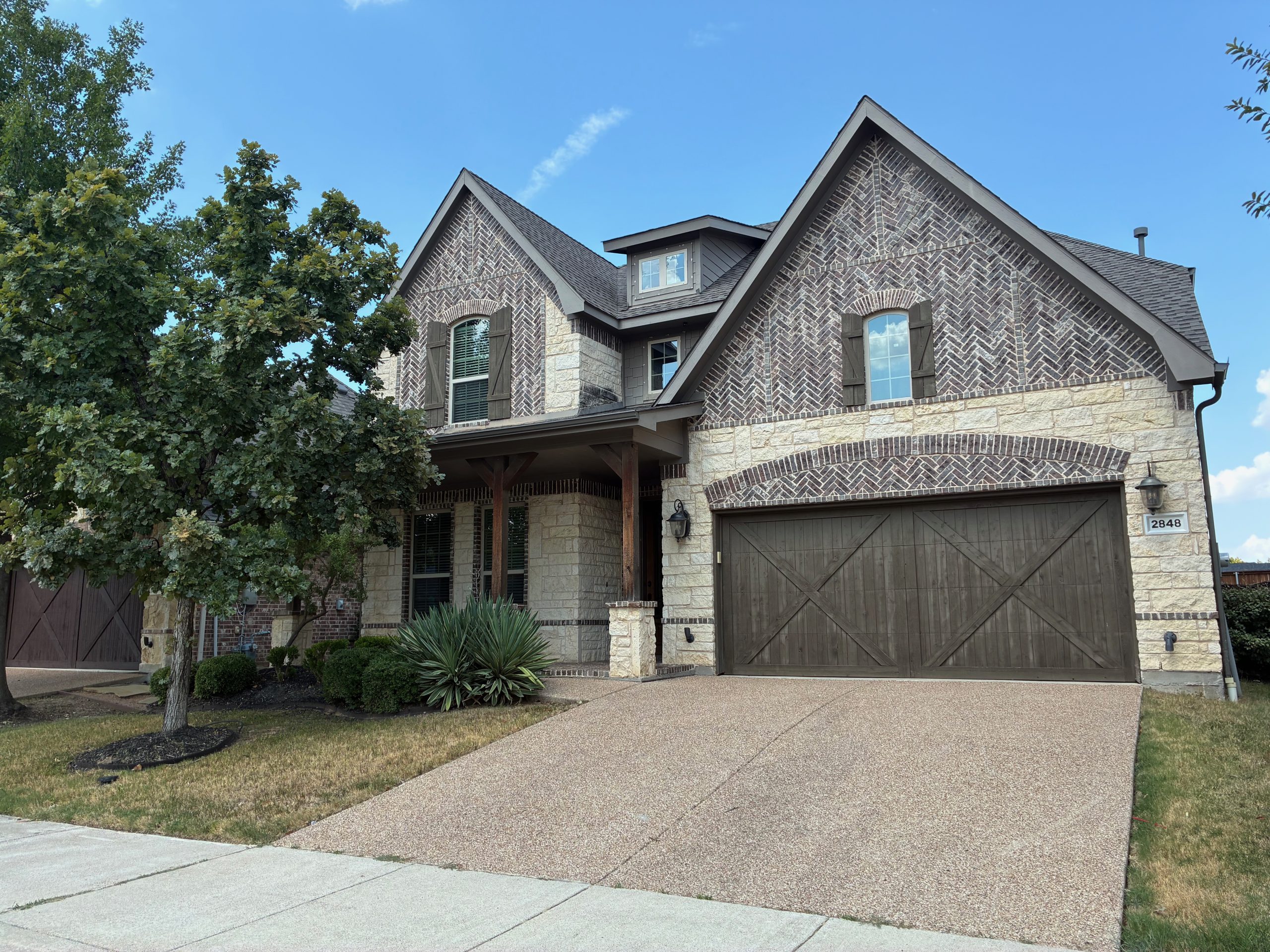
If you’re looking at homes in Trophy Club, you’ll find houses built during very different periods of the town’s development.
So is an older or newer Trophy Club home better?
My answer is usually going to be: let’s go look at the houses.
My family moved to Trophy Club in 1983, and I grew up here while much of the community was still developing. My mother sold real estate in Trophy Club beginning in the 1980s, and I’ve been a licensed real estate agent in DFW since 2001.
I’ve seen a lot of changes in Trophy Club over those years. But I wouldn’t tell somebody to buy an older or newer home simply because of when it was built.
Newer Doesn’t Automatically Mean Fewer Problems
One assumption I sometimes hear is that an older house is automatically going to mean more repairs and maintenance.
Not necessarily.
I’ve seen spectacular older homes that had relatively minor things come up during an inspection. I’ve also seen newer homes with all kinds of issues for one reason or another.
A lot depends on the particular property and how it has been maintained.
If you’re interested in an older house, we’ll go look at it just like we would any other property. What condition does it appear to be in? What can we learn from the Seller’s Disclosure? Has the house obviously been cared for, or does it look like it has been lived pretty hard?
Cosmetic issues are one thing. Poor maintenance can be something entirely different.
If you really like the property and decide to make an offer, then if we get it under contract we can have an inspector look at it and see what gets pointed out.
An inspection doesn’t mean an older house is expected to meet every standard used to build a brand-new house today. Texas real estate inspections are not automatically code-compliance inspections. An inspector is looking at the condition and performance of the systems and components covered by the inspection and reporting deficiencies and other concerns.
That’s useful information we can consider as part of the bigger picture.
Trophy Club Wasn’t All Built at the Same Time
Trophy Club began developing in the 1970s as a master-planned golf community. Development continued through the 1980s and 1990s and then expanded significantly again with The Highlands.
That means houses only a few minutes apart can come from very different periods of development.
That can mean differences in the homes themselves, the lots, layouts, materials and features.
It can also mean differences outside the house that a buyer should understand.
What About the MUD, PID, HOA and Taxes?
This is where I’m probably going to ask you another question before I give you an answer:
Is there a particular house you have in mind?
Trophy Club has some things that can make a generic answer misleading.
Trophy Club Municipal Utility District No. 1 expanded its boundaries in 2025 and now includes all areas of Trophy Club. The Highlands is also the area within Trophy Club’s Public Improvement District, or PID, and properties there can have PID assessments.
HOA situations can vary by property as well.
Trophy Club also crosses the Denton and Tarrant county line. Most homes are in Denton County, but some properties are in Tarrant County.
So give me the address and let’s figure out what actually applies to that property.
So Which Would I Buy: Older or Newer?
If you showed me an older Trophy Club house and a newer house in The Highlands and asked me which one you should buy, I wouldn’t pick one for you based on age.
I’d say:
Let’s go see both.
Walk around them and see how they feel. Look at the layouts and condition. See if you can picture yourself living in either one and whether one simply feels better to you.
Then we can look at the differences between those particular properties.
Maybe one has something in the inspection that needs more investigation. The taxes or assessments could be different. Maybe one has been maintained better. Maybe you prefer the location, lot or layout of one over the other.
Those are things we can look at and compare.
But ultimately, I want you to walk through both houses first. See what you actually like and don’t like about each one. Then we can dig into the differences that matter — condition, inspections, taxes, assessments, location, maintenance or whatever else applies to those particular properties.
An older house isn’t automatically the better choice, and neither is a newer one.
It depends on the houses we’re actually comparing.


